
Electrical Safety Audit – Commercial Building

Electrical safety audit is important in commercial building. ​

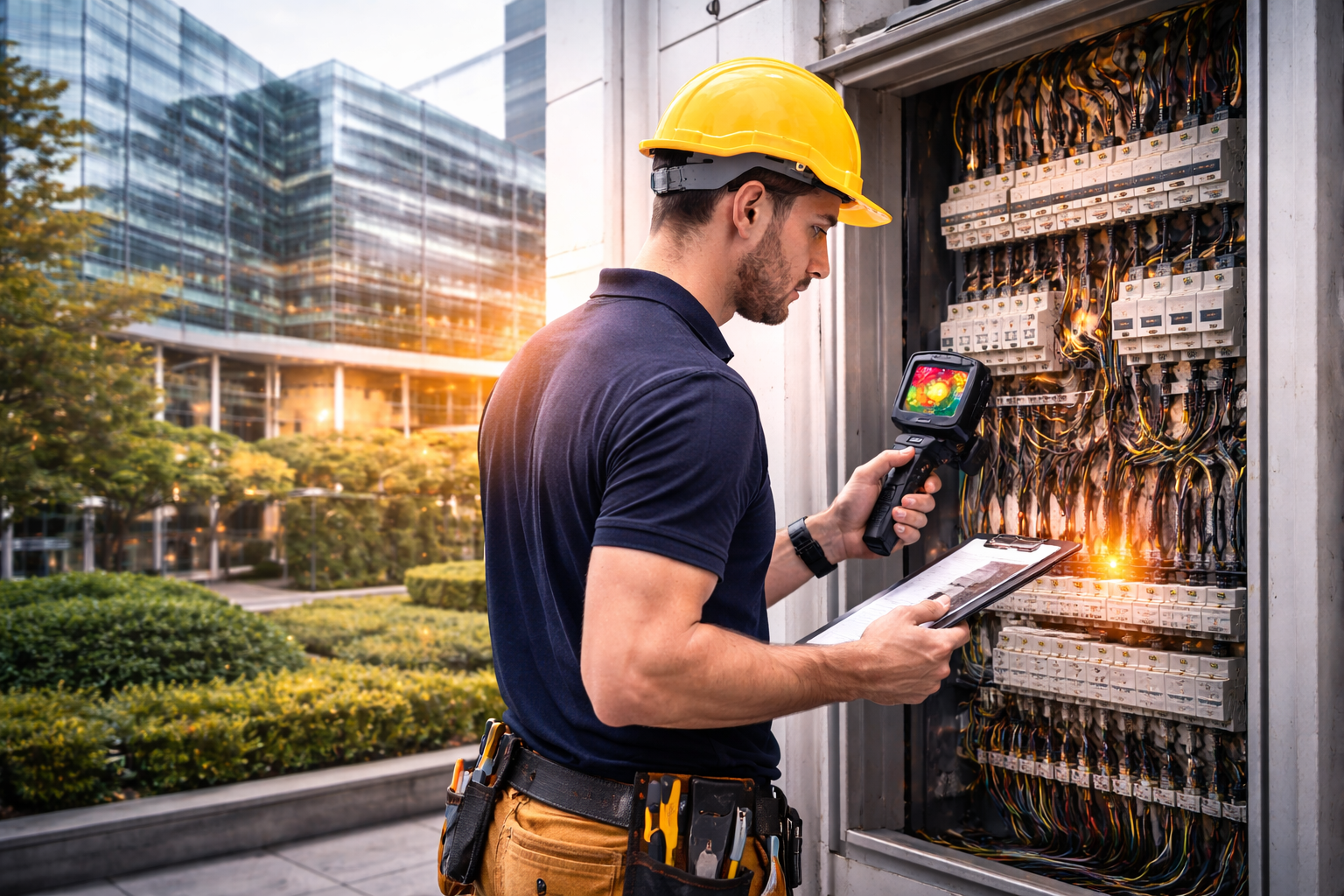
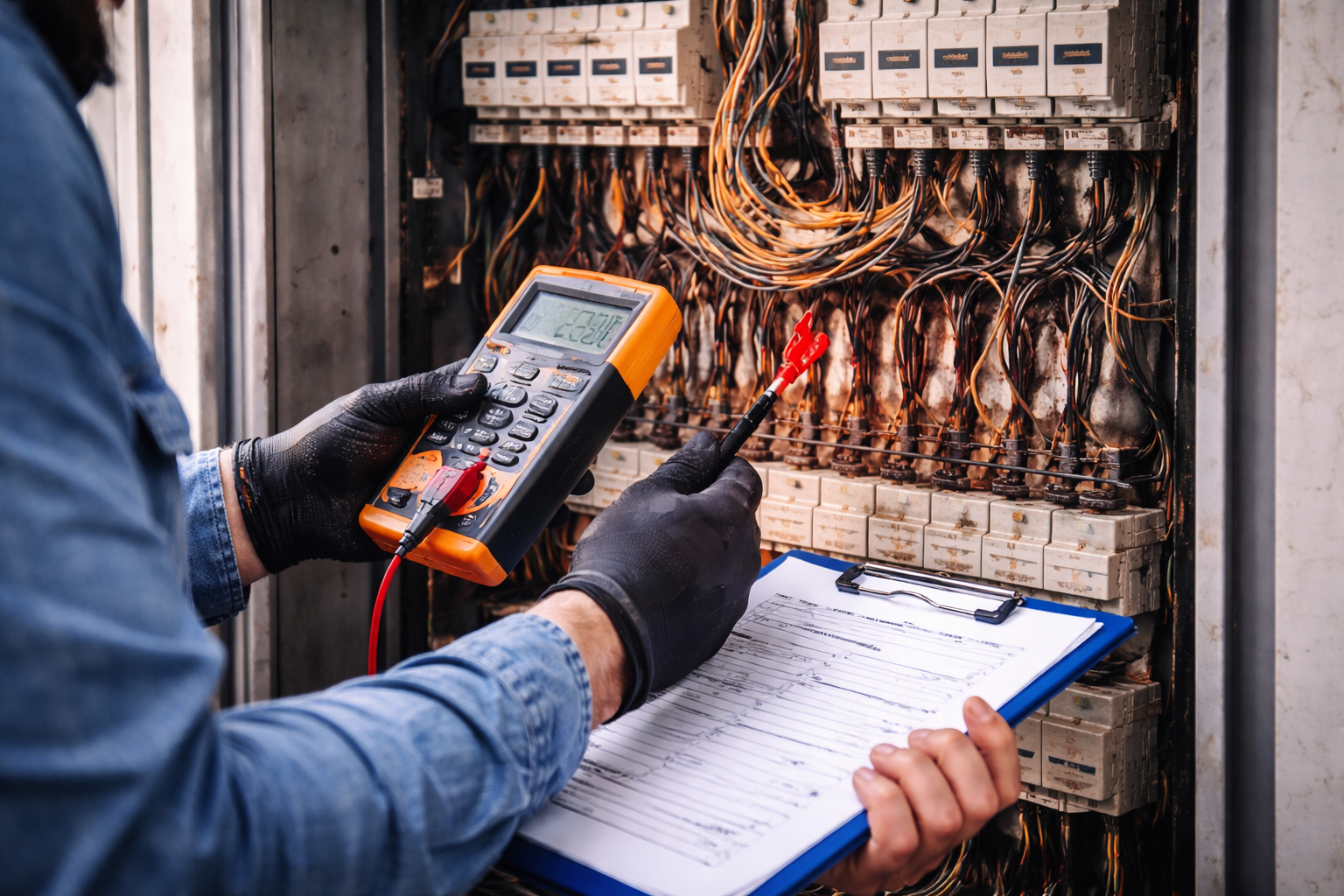
At Nexfore Consulting, Electrical safety is vital in commercial buildings where many people work and visit daily. An electrical safety audit is a detailed inspection of a building’s electrical system to identify potential hazards and ensure compliance with fire safety regulations.

Advisory Services

Why is Electrical Safety Audit Important in Commercial Buildings?

Protecting people’s lives and property

The most important reason for an electrical safety audit in commercial buildings is to protect people’s lives and property. Electrical hazards such as electrical shocks, electrocution, and electrical fires can cause severe injuries, property damage, and even death. By identifying potential hazards and taking corrective actions, an electrical safety audit can help prevent accidents before they occur.It helps protect lives and property, reduce the risk of electrical fires, improve energy efficiency, and enhance equipment performance. Regular audits also ensure that building owners, facility managers, and contractors maintain a safe and reliable electrical environment.

Compliance with regulations and standards

Another reason why an electrical safety audit is essential in commercial buildings is to ensure compliance with regulations and standards.

Reducing the risk of electrical fires

Electrical fires are one of the most common causes of fire in commercial buildings.

Improving energy efficiency

An electrical safety audit can also help identify areas where energy efficiency can be improved

Enhancing equipment performance

Regular electrical safety audits can help identify potential problems with equipment and provide recommendations for maintenance and repairs.

How to Ensure Fire Safety Compliance with Us

A professional contractor can conduct an electrical safety audit, identify potential hazards, and provide recommendations for remediation.

Conduct regular electrical safety audits

Regular electrical safety audits are essential to ensure ongoing compliance with fire safety regulations and standards

Compliance Lifecycle

End-to-End Compliance Lifecycle

Keep electrical systems up-to-date

Electrical systems in commercial buildings should be kept up-to-date and in compliance with current regulations and standards.

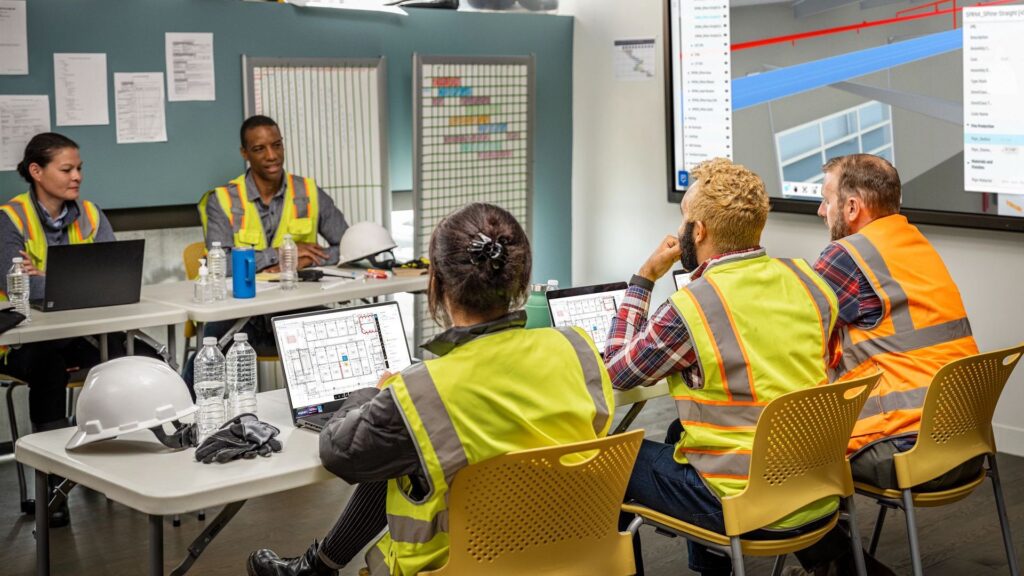
Proper training for employees on electrical safety

This includes training on electrical safety procedures, such as identifying potential hazards and reporting them to management.

Install fire safety systems

In addition to regular electrical safety audits, installing fire safety systems such as smoke detectors, fire alarms, and sprinklers.

Ongoing Operations

Renewals, inspection management, and digital compliance monitoring

From planning to possession, Nexfore ensures your project stays legally strong and delay-free.

Strength

Ensure fire safety compliance

An electrical safety audit is essential in commercial buildings for several reasons, including protecting people’s lives and property, ensuring compliance with regulations and standards, reducing the risk of electrical fires, improving energy efficiency, and enhancing equipment performance.

Municipal & Urban Development Bodies

Pollution Control Boards

Fire Department NOCs

RERA & Local Development Authorities

RERA & Local Development Authorities

Environmental & Industrial Departments

Technology & Sustainability

Technology-Backed Compliance Tracking

Regulatory bodies such as OSHA, NFPA, and local building codes have strict requirements for electrical safety in commercial buildings. An electrical safety audit can help identify non-compliant areas and provide recommendations for remediation to ensure compliance.

Keep electrical systems up-to-date

Conduct regular electrical safety audits

Compliance with regulations and standards

Reducing the risk of electrical fires

Enhancing equipment performance

Every stakeholder can monitor progress online, ensuring accountability and transparency at every step.

Compliance with regulations and standards

Regular electrical safety audits help identify potential equipment issues and ensure optimal performance.

Why Nexfore

Why Nexfore for Compliance & Liaisoning

Legal & Technical Expertise

In-house team of legal, environmental, and safety experts

Integrated with PMC

Sync between design, safety, and compliance for seamless execution

Time-Bound Delivery

Proven process to secure approvals faster

Digital Dashboard

Track compliance progress anytime

Pan-India Reach

Approvals and liaisoning in multiple states

Ethical Process

100% transparent, documentation-first approach

We don’t just get approvals — we build trust with every clearance.

Industries

Industries We Serve

Real Estate & Infrastructure Developers

Corporates & IT Parks

Manufacturing & Industrial Plants

Manufacturing & Industrial Plants

Educational Institutions

Oil & Gas & Energy Projects

Government & Smart City Projects

Each industry benefits from Nexfore’s cross-domain expertise in safety, compliance, and sustainability.

Our Impact in Numbers

statutory approvals secured successfully
0 +
statutory approvals secured successfully
0 %
adherence to Indian legal standards
0 %
hours saved annually for clients through digital tracking
0 +
Client Testimonials

Trusted by Industry Leaders

Hear what our clients say about partnering with us—real stories of trust, performance, and long-term success.

Quick Links

Related Services

Company Profile

Certifications

Blogs

Contact Us

Client Testimonials

Stay Updated

Subscribe to insights on Safety, ESG, Compliance & Growth.

FAQs

How often should an electrical safety audit be conducted in a commercial building?

It is recommended that an electrical safety audit be conducted annually or bi-annually in commercial buildings to ensure ongoing compliance with regulations and standards. However, the frequency of audits may vary depending on the size and complexity of the electrical system.

It is not recommended to conduct an electrical safety audit yourself unless you are a licensed and experienced electrician. Electrical safety audits require specialized knowledge and equipment to identify potential hazards accurately.

If an electrical hazard is identified during an audit, corrective actions should be taken immediately to reduce the risk of accidents and injuries. This may include repairing or replacing faulty wiring or components, upgrading electrical panels, or installing safety devices such as ground fault circuit interrupters.

Non-compliance with electrical safety regulations can result in serious consequences, including fines, legal liability, and increased insurance premiums. More importantly, non-compliance can also result in accidents, injuries, and even fatalities.

Start Your Compliance Journey with Nexfore

Ensure your project’s legal foundation is strong, sustainable, and risk-free.
Partner with Nexfore Consulting for end-to-end compliance and liaisoning support that delivers confidence, not just clearances.

Contact

+919867752249

Email

compliance@nexforeConsulting.com

Head Office

Mumbai, India

Expanding to: Dubai, UAE